
The Allure of Chance: Understanding Gambling Psychology
The psychology of gambling is a compelling area of study that delves into the motivations behind why individuals are drawn to casinos. One significant factor is the allure of chance and the thrill associated with unpredictability. The uncertainty inherent in gambling creates a stimulating environment where players feel a rush when they place a bet, similar to the excitement experienced in high-stakes situations. This rush can lead to a temporary escape from reality, providing an emotional high that players seek repeatedly. Many find that the best online casino real money experiences offer an intensified version of these thrills.
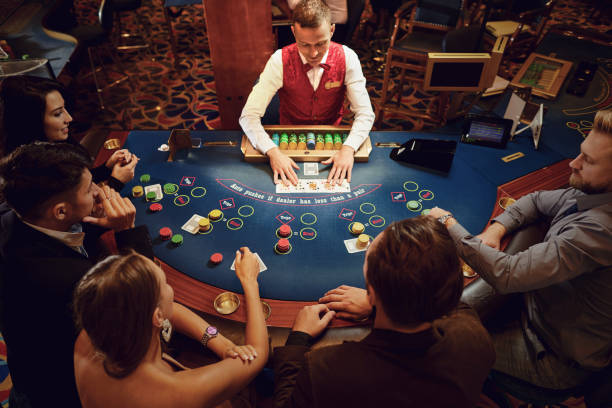
Additionally, casinos effectively leverage principles of behavioral psychology to enhance the gambling experience. For instance, the use of vibrant colors, enticing sounds, and strategically placed machines creates an immersive atmosphere that keeps players engaged. These sensory elements are designed to activate the brain’s reward system, reinforcing the behavior of playing and, in turn, increasing the likelihood of return visits.
The Impact of Environment on Player Behavior
The casino environment plays a crucial role in shaping the experiences of patrons. From the layout of the gaming floor to the lighting and sound effects, every aspect is meticulously curated to encourage prolonged play. Research shows that when players feel comfortable and entertained, they are more likely to engage in gambling activities for extended periods. This environment fosters a social interaction dynamic as well, where players often find themselves discussing strategies and experiences with fellow gamblers.
Moreover, the presence of complimentary services, such as food and beverages, further enhances the experience. These amenities create a sense of luxury and indulgence, reinforcing the notion that gambling is not just a pastime but a lifestyle choice. By creating a welcoming atmosphere, casinos can significantly influence player decisions and behavior, driving up both engagement and spending.
Emotional Influence: The Role of Anticipation and Reward
Emotions play a vital role in the decision-making processes of casino patrons. Anticipation is a powerful feeling that can often outweigh the actual outcomes of gambling. As players wait for the results of a game, whether it be a spin of the roulette wheel or the draw of a card, the emotional build-up can create a euphoric sense of excitement. This anticipation keeps players returning, as they chase the high associated with potential wins.
In addition to anticipation, the immediate rewards of gambling, both intrinsic and extrinsic, heavily influence player behavior. Winning, even small amounts, triggers the release of dopamine, reinforcing the desire to gamble. Casinos design their games to provide frequent, smaller wins, which sustain this cycle of reward, compelling players to continue engaging in gambling activities. Understanding these emotional drivers is essential for casinos to optimize player experiences.
Cognitive Biases: How Perception Shapes Gambling Choices
Cognitive biases significantly influence how players perceive their chances of winning and their overall gambling experience. One common bias is the “gambler’s fallacy,” where individuals believe they can predict future outcomes based on past events. This misunderstanding can lead players to make irrational decisions, such as increasing their bets after a losing streak. Casinos capitalize on these biases, knowing they can affect player behavior and spending.
Similarly, the illusion of control is another cognitive bias that can affect player decisions. Many gamblers believe they can influence outcomes through skill or strategy, particularly in games like poker or blackjack. This sense of control can lead to extended play, as players feel empowered by their perceived abilities. By understanding these cognitive tendencies, casinos can refine their game offerings and marketing strategies to enhance player engagement.

Exploring the Online Casino Experience
As the gambling landscape evolves, online casinos have emerged as a popular alternative to traditional gambling venues. The psychology behind these virtual experiences is similarly complex, as platforms design their interfaces to mimic the engaging elements of physical casinos. Players can enjoy the thrill of gambling from the comfort of their homes while still experiencing the excitement that online platforms can offer.
Online casinos also leverage psychological techniques, such as personalized promotions and social gaming elements, to create a sense of community and belonging among players. The availability of instant feedback, bonuses, and gamified experiences can enhance player satisfaction and loyalty. As digital gaming continues to grow, understanding these psychological aspects will be crucial for online casinos to create successful experiences.